
"Bolivia coffee production"
600 article(s) found

Description of Variety and Flavor in Bolivian Coffee production area introduction of Grinding degree and Baking degree
Flavor: dry aroma of roasted nuts and almonds. Lake Titicaca of orange and pomelo is located on the Coya'ao Plateau on the border of Bolivia and Peru. It is the highest and largest freshwater lake in South America. It is also one of the highest freshwater lakes in the world. It is also the highest navigable lake for ships in the world. It is the third largest lake in South America to wash Bolivia with a cup of water.

Rich and balanced snow vein manor fine coffee beans origin development history and culture brief introduction
Bolivia not only has a unique growing environment, but also has an excellent coffee variety Typica. For 200 years, the coffee varieties in Yangas have been dominated by the ancient Tibica. The Tibica variety has a balanced and soft flavor, with lively aromas and rich acidity. Unfortunately, Tibica's yield is low and its disease resistance is poor, making Bolivia's

Lake Titicaca in Bolivia is washed with water to treat American boutique coffee products.
South America is rich in coffee beans, and Bolivia is no exception. The unique tropical rain forest environment in some parts of Bolivia provides excellent natural conditions for the growth of organic coffee. The aroma of Bolivian coffee is rich and unique, both the aroma of ground beans and the aroma of coffee are obviously rich, similar to the mixture of flower and fruit aroma, which is impressive.

Less than 40% of Bolivia's coffee culture is Arabica, such as iron pickup.
Professional coffee knowledge exchange more coffee bean information Please pay attention to the coffee workshop (Wechat official account cafe_style) Bolivia's coffee production is mainly a small farmer production system, the country has 23000 small farms ranging in size from 2 to 9 hectares, and in particular, about 40% of Bolivia's coffee culture is mainly for domestic sales. The main variety is Arabika.

The flavor characteristics, producing areas and cooking parameters of iron-washed Bica coffee beans in Lake Titicaca, Bolivia
Professional baristas Please pay attention to the Coffee Workshop (Wechat official account cafe_style) most of the coffee in Bolivia used to be of mediocre quality, but in recent years the production of boutique coffee has developed rapidly and there have been a lot of pretty good beans. In recent years, the COE (Cup of excellence) system, which was first implemented in Brazil, has gradually become popular, and Bolivia has also introduced this system.

A brief introduction to the description of flavor, taste and aroma characteristics of coffee beans in rich and balanced Xuemai Manor.
The overall taste of Bolivian coffee is rich and balanced, the aroma is rich and unique, similar to the mixture of flower and fruit aroma, impressive. The perennial low temperature environment makes the coffee fruit grow slowly, compact enough, the aroma is also charming, the floral aroma is obviously medium and low acidity, but the feeling is not monotonous, on the contrary, it appears soft and fresh, with the sour taste of citrus fruit. Bolivia, no.

The types, brand recommendations and estates of bica coffee beans in Lake Titicaca, Bolivia.
Professional baristas Please pay attention to the Coffee Workshop (Wechat official account cafe_style) Bolivian coffee has the advantages of high altitude and excellent coffee varieties, where the traditional Tibica and a small amount of Kaddura are highly regarded on the world market. In the past, coffee trees in Bolivia used to act as hedges and ornaments around the garden. Real commercial production comes from

A brief introduction to the history and culture of the origin and development of Bolivian boutique coffee beans with dried almonds
Bolivia not only has a unique growing environment, but also has an excellent coffee variety Typica. In the past two hundred years, the main variety of coffee in Yanggas area is the ancient Tibica. Tibica coffee has a balanced and soft flavor, with lively aroma and rich sour taste. Unfortunately, the low production of Tibika and its poor disease resistance make Bolivia's

Bolivian Coffee Bean Flavor Bolivia Coffee Manor South America is rich in coffee beans, Bolivia
South America is rich in coffee beans, and Bolivia is no exception. The unique tropical rain forest environment in some parts of Bolivia provides excellent natural conditions for the growth of organic coffee. The aroma of Bolivian coffee is rich and unique, both the aroma of ground beans and the aroma of coffee are obviously rich, similar to the mixture of flower and fruit aroma, which is impressive.

Introduction to the treatment method of planting and Development History of Bolivian Coffee single Bean Flavor description
For professional baristas, please follow Coffee Workshop (Wechat cafe_style) BOLIVIA Bolivian population: 10461000 coffee-growing areas in Bolivia have never been significantly drawn, which is why different bakers use different naming conventions to describe different sources of coffee beans. YUNGAS about 95% of Bolivian coffee is produced here.

A brief introduction to the treatment method of grinding degree and baking degree of high-quality vanilla sweet Bolivian coffee beans
Bolivia not only has a unique growing environment, but also has an excellent coffee variety Typica. In the past two hundred years, the main variety of coffee in Yanggas area is the ancient Tibica. Tibica coffee has a balanced and soft flavor, with lively aroma and rich sour taste. Unfortunately, the low production of Tibika and its poor disease resistance make Bolivia's

Bolivian Coffee Bean Flavor Bolivia Coffee Manor South America is rich in coffee beans, Bolivia
South America is rich in coffee beans, and Bolivia is no exception. The unique tropical rain forest environment in some parts of Bolivia provides excellent natural conditions for the growth of organic coffee. The aroma of Bolivian coffee is rich and unique, both the aroma of ground beans and the aroma of coffee are obviously rich, similar to the mixture of flower and fruit aroma, which is impressive.

South American coffee bean beads-characteristics of Bolivian coffee beans creamy sticky taste and sweetness
Professional coffee knowledge exchange more coffee bean information please follow the coffee workshop (Wechat official account cafe_style) front street-Bolivian coffee introduction Bolivia's coffee production is mainly small farmer production system, the country has 23000 small farms with a size of 2-9 hectares, and in particular, about 40% of Bolivia's coffee culture is mainly domestic.

A brief introduction to the origin, development, history and culture of high-grade vanilla sweet Bolivian boutique coffee beans
In the past, most of the coffee in Bolivia was of mediocre quality, but in recent years, the production of boutique coffee has developed rapidly, and there have been a lot of pretty good beans. In recent years, the COE (Cup ofexcellence) system, which was first implemented in Brazil, has become more and more popular. Bolivia has also introduced this system, which can stimulate the enthusiasm of coffee farmers on the one hand and improve it on the other.
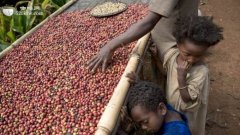
Boutique coffee beans knowledge coffee producing area Bolivia
In the past, coffee trees in Bolivia used to act as hedges and ornaments around the garden. Real commercial production began in the early 1950s. The great frost of 1957 seriously damaged Brazil's coffee industry, while Bolivia (Bolivia) benefited from it and developed rapidly. Bolivian coffee is grown at an altitude of 180,670 meters above sea level, including Allah.
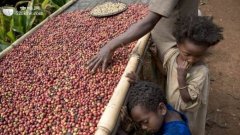
Coffee producing country Bolivia boutique coffee bean producing country
In the past, coffee trees in Bolivia used to act as hedges and ornaments around the garden. Real commercial production began in the early 1950s. The great frost of 1957 seriously damaged Brazil's coffee industry, while Bolivia (Bolivia) benefited from it and developed rapidly. Bolivian coffee is grown at an altitude of 180,670 meters above sea level, including Allah.

A brief introduction to the Origin, Development, History and Culture of Fine Coffee beans in Bolivia Snow vein Manor with rich and unique aroma
Unfortunately, the low production of Tibika and poor disease resistance have led to low coffee production in Bolivia. There are even fewer opportunities to taste Bolivian coffee. So in order to increase coffee production, Bolivia, like other Central American countries, began to experiment with growing Kaddura and Catuai. Kaddura varieties have a large yield.

Organic Certification | Karanawi production area in Bolivia | Mama Ni family small farmers cooperate to wash iron cards,
Professional coffee knowledge exchange more coffee bean information please follow the coffee workshop (Wechat official account cafe_style) organic certification | Karanawi production area in Bolivia | Mama Ni family small farmers cooperate to wash iron card, Kaddura flavor? This coffee bean comes from Bolivai Karanawi, a small village in San Ignacioli, where four members of the mother's family are neighbors.

A brief introduction to the treatment method of grinding degree and baking degree of fine coffee beans in Xuemai Manor with fruit aroma
The market for Bolivian coffee: the coffee grown in Bolivia, in which Arab washed coffee beans are exported to Germany and Sweden, is not the best taste today, and the advantage of Bolivian coffee with a bit of bitterness lies in its high altitude and excellent varieties of coffee, where the traditional Tibica and a small amount of Kaddura are highly valued in the world market. Bolivia is not coffee.

Bolivia drinks correctly Bolivian coffee bean price
For professional baristas, please pay attention to the coffee workshop (Wechat official account cafe_style). South America is rich in coffee beans, and Bolivia is no exception. The unique tropical rain forest environment in some parts of Bolivia provides excellent natural conditions for the growth of organic coffee. The aroma of Bolivian coffee is rich and unique, whether it is the aroma of ground beans or the aroma of coffee produced.